The Ultimate Merit Badge Counselor Guide: Tips, Tools, and Best PracticesThe Merit Badge Counselor
 Peggy Yee
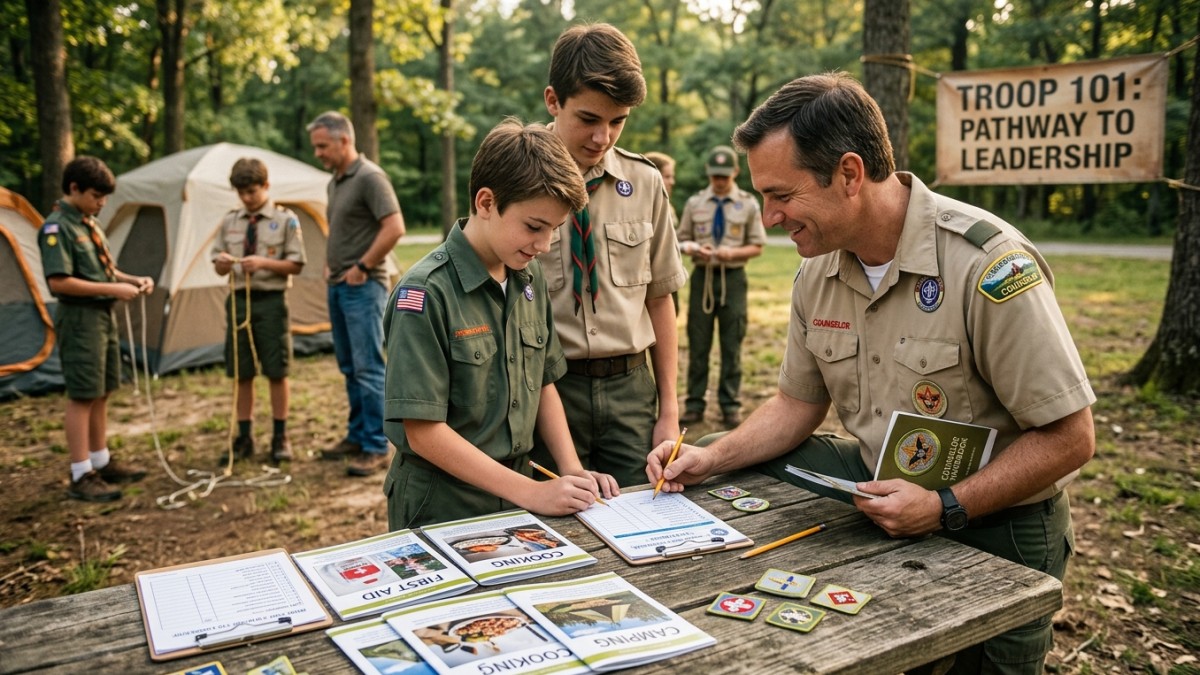
Become an effective Merit Badge Counselor with this guide featuring practical checklists, safety tips, and structured meeting strategies for Scouts.
The Merit Badge Counselor (MBC) role is all about guiding Scouts in a friendly, practical way. Think of this page as your go-to cheat sheet for becoming and thriving in that position. You’re connecting your passion and knowledge with the chance to make a real difference, helping 12 to 17-year-olds explore new skills with hands-on guidance, clear goals, and honest feedback.
Why Your Role Matters
As a counselor, your work directly reflects Scouting’s core values and standards. You create a safe space and set expectations so families know what to expect.
- Practical Guidance: Start with a quick watch, lead a practice drill, and finish with a review—repeating until Scouts feel confident they can perform the steps on their own.
- Clear Structure: Planning each troop meeting with a simple agenda outlining which requirements you’ll focus on keeps everyone informed.
Quick-Start Checklist: 4 Things You Can Do Today
- Prepare Requirement Checklists: Create a one-page checklist of requirements for each Scout.
- Set Up Mini-Stations: Structure your sessions into distinct areas to cover different tasks efficiently.
- Track Progress: Keep meticulous records using progress checklists or traditional Blue Cards.
- Focus on Engagement: Keep the experience fun, hands-on, and encouraging.
Eligibility and Qualifications
To serve well in this role, you must meet basic organizational standards and demonstrate subject-matter expertise:
- Basic Requirements: Be at least 18 years old, of good character, and complete all required background checks.
- Demonstrated Expertise: Show relevant qualifications (licenses, certifications, or vocational experience) for each badge you support—such as holding a current CPR certification if you’re coaching First Aid.
Getting Started: Step-by-Step
- Select Your Badges: Choose subjects that match your skill set (e.g., Emergency Preparedness if you have first-responder training).
- Submit Your Application: Apply through your local district, attaching all required documentation and credentials.
- Complete Required Training: Finish Mandatory Youth Protection Training (YPT) and schedule annual refreshers.
- Learn the Requirements: Once approved, thoroughly review official badge requirements and plan your teaching methods.
- Coordinate Session Logistics: Reach out to the Scoutmaster or Advancement Chair to schedule sessions during regular troop meetings or separate events.
Safety and Risk Management
When tackling higher-risk activities (such as climbing, shooting sports, or water activities), preparation is essential.
- Follow Official Protocols: Adhere strictly to rules like Safe Swim Defense and Safety Afloat.
- Maintain Credentials: Keep active certifications updated in
my.scouting.organd bring physical copies to meetings and clinics. - Supervision & Emergency Plans: Ensure qualified adult supervision for high-risk tasks and review emergency procedures prior to every session.
- Two-Deep Leadership: Always ensure parents, guardians, or extra adults are present to satisfy youth protection policies.
Running Effective & Engaging Sessions
Keep your meetings structured, paced, and interactive to maintain focus:
| Meeting Phase | Strategy |
| Opening | Run a quick overview of behavior, goals, and safety rules. |
| Pacing | Break activities into 15–20 minute chunks per station. |
| Instruction | Use the "Show, then Guidance" method—demonstrate first, then let Scouts try. |
| Large Groups | Use station rotations with adult helpers overseeing specific tasks. |
| Closing | End with a brief recap, review progress, and celebrate small milestones. |
Preparation & Resource Management
- Gather Official Tools: Acquire current merit badge pamphlets, safety guides, and required equipment before starting.
- Build Contingencies: Have backup indoor plans for bad weather or equipment failure.
- Check for Updates: Periodically verify requirement changes via your district or the official merit badge website.
- Leverage District Support: Attend district events and connect with your District Advancement Chair for advice and resources.
- Keep a Q&A Notebook: Track recurring questions and solutions to streamline future sessions.
Actionable Tips for Family Communication
- Onboarding Packets: Create a simple onboarding checklist for new Scouts outlining essential steps, safety rules, and the session schedule.
- One-Page Session Plans: Share a single-page outline showing which requirements will be covered in upcoming meetings.
- Regular Updates: Send brief emails or short video updates to families highlighting upcoming milestones, needed materials, and safety reminders.
With a warm, organized, and thoughtful approach, you’ll help Scouts grow into confident, capable leaders while enjoying every step of their journey.
Categories: : Merit Badge Counselor Advice